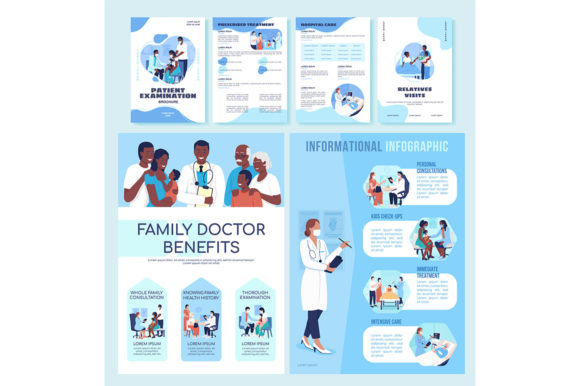
Hospital Treatment Flat Vector Templates: Streamlining Medical Visual Communication
In the fast-paced world of healthcare marketing and patient education, clarity is not just a design preference; it is a necessity. Medical information can be dense, intimidating, and visually complex. This is where Hospital Treatment Flat Vector Templates serve as an essential bridge between clinical expertise and public understanding. These design assets provide a structured, aesthetically pleasing, and highly functional way to present medical procedures, facility overviews, and health guidelines without overwhelming the viewer. By utilizing flat design principles, these templates strip away unnecessary visual noise, allowing the core message to resonate with patients, stakeholders, and medical staff alike.
Understanding the Role of Flat Design in Healthcare
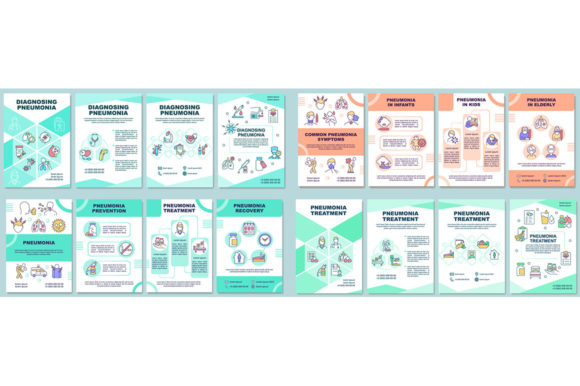
Flat design is characterized by clean lines, bright colors, and two-dimensional illustrations that lack realistic textures or shadows. In a hospital setting, this style is particularly effective because it feels modern, hygienic, and approachable. Unlike photorealistic medical imagery, which can sometimes trigger anxiety or appear too graphic for general audiences, flat vector art abstracts medical concepts into friendly, digestible visuals. Hospital Treatment Flat Vector Templates leverage this style to create infographic flyers, booklets, printable leaflets, and magazine pages that maintain a professional tone while remaining accessible to non-medical readers.
The primary goal of these templates is to standardize visual communication across various touchpoints. Whether you are designing a poster for a waiting room or a digital banner for social media, maintaining brand consistency builds trust. When patients see cohesive visuals across different mediums, they perceive the healthcare provider as organized and reliable. These templates offer pre-arranged layouts with dedicated text space, ensuring that critical information is always legible and hierarchically structured.
Addressing Common Communication Challenges
Healthcare administrators and medical marketers face distinct challenges when creating educational content. One significant hurdle is the translation of complex medical jargon into layperson terms. A textual explanation of a surgical procedure may confuse a patient, but a well-designed infographic using Hospital Treatment Flat Vector Templates can illustrate the same process intuitively. The visual component acts as a cognitive anchor, helping patients retain information better than text alone.
Another challenge is resource allocation. Hospitals often operate on tight budgets and stricter timelines. Commissioning custom illustrations for every new campaign or brochure is rarely feasible. Ready-made templates solve this bottleneck by providing high-quality, editable assets that can be customized in minutes rather than days. This efficiency allows teams to respond quickly to emerging health trends, seasonal flu campaigns, or new service announcements without sacrificing design quality.
Furthermore, accessibility is a growing concern. Medical materials must be readable for diverse populations, including those with visual impairments or limited literacy. Flat vector designs typically utilize high-contrast color palettes and clear iconography, which aligns with accessibility standards. By starting with a professionally designed template, creators ensure that their final output meets baseline usability requirements before customization even begins.
Practical Applications Across Media Formats
The versatility of Hospital Treatment Flat Vector Templates lies in their adaptability across print and digital formats. Different contexts require different approaches, and these templates are engineered to support a wide spectrum of applications.
- Infographic Flyers and Leaflets: These are staples in clinics and pharmacies. Templates designed for print include proper bleed areas and CMYK color profiles. They feature modular sections that allow designers to swap out icons and text blocks to explain symptoms, treatments, or prevention tips clearly.
- Booklets and Patient Guides: For comprehensive topics like post-operative care or chronic disease management, multi-page booklet templates provide consistent headers, footers, and grid systems. This ensures that a 20-page guide looks as polished as a single-page flyer.
- Social Media Banners and Posts: Digital engagement requires eye-catching visuals that load quickly. Vector-based templates scale perfectly for Instagram, Facebook, or LinkedIn without pixelation. Trendy backgrounds included in these packs help medical brands stay relevant on platforms dominated by lifestyle content.
- Magazine Pages and Annual Reports: Healthcare institutions often publish internal newsletters or community magazines. Templates with sophisticated typography and data visualization elements turn dry statistics into engaging cartoon reports or editorial spreads.
- Posters and Signage: Wayfinding and informational posters benefit from large-scale vector graphics. Text space is strategically placed to remain readable from a distance, while illustrations guide attention to key messages.
Technical Considerations and File Formats
Selecting the right file format is crucial for successful implementation. Professional Hospital Treatment Flat Vector Templates are typically available in multiple formats to accommodate different workflows and software capabilities.
AI (Adobe Illustrator) and EPS: These are the industry standards for vector editing. They allow for infinite scaling and complete manipulation of paths, colors, and shapes. If you need to change a character’s uniform color or adjust the layout dimensions for a custom banner size, these source files are indispensable.
SVG (Scalable Vector Graphics): Essential for web design, SVG files maintain crispness on any screen resolution. They are lightweight and can be animated with CSS or JavaScript, making them ideal for interactive hospital websites or digital kiosks.
PNG and JPEG: While not editable vectors, these raster formats are included for immediate use. PNGs with transparent backgrounds are perfect for overlaying onto existing presentations or documents, while high-resolution JPEGs serve as quick references or placeholders during the drafting phase.
Leveraging NTL Studio for Comprehensive Assets
When sourcing these assets, the quality and breadth of the library matter significantly. Count on NTL studio in search for vector characters for poster creation, trendy backgrounds for animations, ready-made banners for social media, and much more. A specialized studio understands the nuances of medical illustration, ensuring that anatomical representations are respectful and accurate, even within a stylized flat aesthetic.
NTL studio provides resources that go beyond generic clip art. Their collections often include diverse character sets representing various ages, ethnicities, and abilities, which is vital for inclusive healthcare communication. Additionally, having access to matching background elements and UI kits allows designers to build entire ecosystems of visual content that feel unified and intentional.
Tailoring the Approach for Different Users
Different stakeholders interact with Hospital Treatment Flat Vector Templates in unique ways based on their objectives and technical skills.
Marketing Teams focus on brand alignment and engagement metrics. They utilize the trendy backgrounds and social media banners to drive awareness and appointment bookings. Their priority is speed and visual impact, often using PNG exports for rapid deployment.
Educational Coordinators prioritize accuracy and pedagogical flow. They rely heavily on AI and EPS files to modify diagrams for specific training modules or patient handouts. For them, the ability to edit text space and rearrange infographic elements is more important than aesthetic trendiness.
Independent Designers and Freelancers value flexibility and licensing. They look for comprehensive bundles that can be adapted for multiple clients. Access to layered files and organized asset libraries allows them to deliver professional-grade medical designs efficiently.
Best Practices for Implementation
To maximize the effectiveness of these templates, users should adhere to several best practices. First, always verify medical accuracy after customization. While the design provides the structure, the content must be validated by clinical experts. Second, respect white space. It is tempting to fill every available text area, but breathing room improves readability and reduces cognitive load. Third, maintain color psychology awareness. While flat design offers vibrant palettes, healthcare communications generally benefit from calming blues, greens, and soft neutrals. Use accent colors sparingly to highlight calls to action or warnings.
Finally, consider the end-user's environment. A leaflet designed for a busy emergency room waiting area needs larger text and simpler icons than a booklet intended for home reading. Hospital Treatment Flat Vector Templates provide the foundation, but thoughtful adaptation ensures the final product truly serves its audience. By combining professional design resources with user-centered strategy, healthcare organizations can transform complex medical information into clear, compassionate, and effective visual communication.