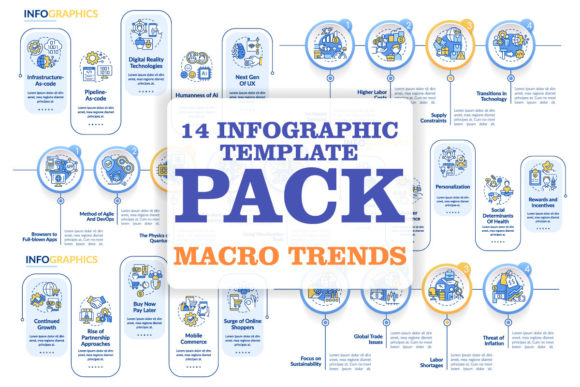
Mastering Infographics: A Visual Storytelling Tool
Infographics Technique is a powerful method for presenting complex information in a visually appealing and easily digestible format. This technique leverages the human brain's natural affinity for visual data, making it an indispensable tool for anyone looking to communicate effectively.
Understanding the Power of Infographics
At its core, the Infographics Technique combines visuals with text to create a compelling narrative. It's not just about pretty pictures; it's about distilling information into a form that is both engaging and easy to understand. This makes infographics particularly useful in today’s fast-paced, information-saturated world.
Key Characteristics and Strengths
- Clarity: Simplifies complex data into understandable segments.
- Engagement: Captivates the audience with visually appealing designs.
- Versatility: Can be used across various platforms and industries.
- Shareability: Easily shared on social media, enhancing reach and impact.
Practical Applications Across Multiple Fields
One of the most significant advantages of the Infographics Technique is its versatility. From marketing and education to journalism and business, infographics can be tailored to fit any context.
In Marketing and Business
Marketers and business owners use infographics to present data-driven insights, product features, and market trends. These visuals help in creating a strong brand identity and improving customer engagement. For instance, a company might use an infographic to highlight the benefits of their new product or to showcase their growth over the years.
In Education and Training
Educators find infographics incredibly useful for breaking down complex concepts into simpler, more manageable parts. Whether it's explaining a scientific process, historical events, or mathematical formulas, infographics make learning more interactive and enjoyable. Students can grasp the material more quickly and retain it better when presented in this format.
In Journalism and Media
Journalists and media professionals use infographics to tell stories and present data in a way that is both informative and engaging. News outlets often publish infographics to provide a quick overview of current events, election results, or economic indicators. This not only enhances the reader's understanding but also makes the content more shareable.
Benefits of Using Infographics
Beyond their aesthetic appeal, infographics offer several practical benefits. They improve usability by making information more accessible, enhance communication by simplifying complex ideas, and boost engagement by providing a visually rich experience. Additionally, infographics can significantly increase the visibility of your content, as they are more likely to be shared and remembered.
Usability and Efficiency
Infographics are designed to be user-friendly. They allow viewers to quickly scan and absorb key points without having to read through lengthy texts. This is especially beneficial in environments where time is a premium, such as in business presentations or online articles.
Communication and Branding
Effective communication is at the heart of the Infographics Technique. By using a consistent color scheme, typography, and design elements, infographics can reinforce your brand's identity. This consistency helps in building brand recognition and trust among your audience.
Engagement and User Experience
Visuals are inherently more engaging than plain text. Infographics can captivate your audience, encouraging them to spend more time with your content. This increased engagement can lead to higher conversion rates, whether you're trying to sell a product, educate your audience, or simply share information.
Practical Considerations for Creating Infographics
While the Infographics Technique offers numerous benefits, there are some important considerations to keep in mind when creating and using infographics.
- Define Your Goal: Clearly identify what you want to achieve with your infographic. Is it to inform, persuade, or entertain?
- Choose the Right Data: Select data that is relevant and supports your message. Avoid cluttering your infographic with too much information.
- Select the Appropriate Design: Use a design that aligns with your brand and the type of information you are presenting. Consistency in style and color is key.
- Keep It Simple: Simplicity is crucial. Use clear, concise language and avoid overly complex graphics that may confuse the viewer.
- Test and Iterate: Before publishing, test your infographic with a small group to gather feedback. Use this feedback to make necessary adjustments.
Conclusion
The Infographics Technique is a versatile and powerful tool for anyone looking to communicate effectively. Whether you're a marketer, educator, journalist, or business owner, infographics can help you present information in a way that is both engaging and impactful. By following the practical considerations outlined above, you can create infographics that not only look great but also deliver real value to your audience.