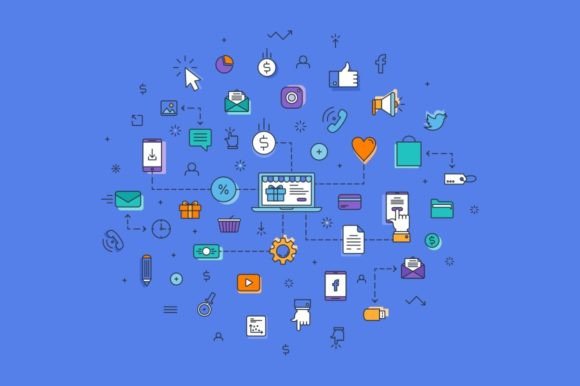
Visualizing the Dynamics of Internet Commerce: A Guide with Outline Infographics
Understanding the Basics of Internet Commerce
Internet commerce, also known as e-commerce, encompasses the buying and selling of goods and services over the internet. This digital marketplace has transformed traditional business models, offering a vast array of products to a global audience. The use of outline infographics can help in visualizing the various components and processes involved in e-commerce, making it easier for both professionals and consumers to understand its intricacies.
The Evolution of E-Commerce
E-commerce has evolved significantly since its inception. Initially, it was limited to simple online transactions, but today, it includes complex systems such as online marketplaces, social commerce, and mobile commerce. Outline infographics can effectively illustrate this evolution, highlighting key milestones and technological advancements that have shaped the industry.
Key Components of E-Commerce
To fully grasp the concept of e-commerce, it's essential to break down its key components. These include:
- Online Marketplaces: Platforms like Amazon and eBay where multiple sellers can offer their products to a wide customer base.
- E-Commerce Websites: Individual websites operated by retailers or brands, providing a direct channel for sales.
- Payment Gateways: Secure methods for processing payments, ensuring that transactions are safe and reliable.
- Logistics and Fulfillment: Systems for managing inventory, shipping, and delivery, which are crucial for the smooth operation of e-commerce businesses.
Role of Technology in E-Commerce
Technology plays a pivotal role in the success of e-commerce. Innovations such as artificial intelligence, big data analytics, and blockchain are revolutionizing how businesses operate online. Outline infographics can be used to map out these technologies and their specific applications in e-commerce, providing a clear and engaging overview.
Advantages of E-Commerce
E-commerce offers numerous advantages over traditional retail. Some of the most notable benefits include:
- Global Reach: Businesses can reach customers worldwide, expanding their market beyond geographical boundaries.
- Convenience: Customers can shop 24/7 from any location, enhancing the shopping experience.
- Cost Efficiency: Reduced overhead costs compared to physical stores, allowing for more competitive pricing.
- Data-Driven Insights: Access to detailed customer data, enabling better marketing strategies and personalized experiences.
Challenges and Considerations
While e-commerce presents many opportunities, it also comes with challenges. Issues such as cybersecurity, data privacy, and maintaining customer trust are critical. Outline infographics can help in illustrating these challenges and the steps businesses can take to mitigate them.
Real-World Applications and Success Stories
Many businesses have successfully leveraged e-commerce to grow and thrive. For example, companies like Zappos and Warby Parker have built their entire business models around online sales, using innovative approaches to customer service and product delivery. Outline infographics can showcase these success stories, highlighting the strategies and technologies that contributed to their achievements.
Future Trends in E-Commerce
The future of e-commerce is likelying towards even more advanced and integrated solutions. Emerging trends such as augmented reality (AR) for virtual try-ons, voice commerce, and the integration of social media platforms into the shopping experience are set to transform the industry further. Outline infographics can be a powerful tool for visualizing these trends and their potential impact on the e-commerce landscape.
Implementing E-Commerce Solutions
For businesses looking to enter or expand in the e-commerce space, there are several key considerations. These include choosing the right platform, implementing robust security measures, and developing a strong online presence. Outline infographics can provide a step-by-step guide to these implementation processes, making it easier for businesses to navigate the complexities of e-commerce.
Conclusion
E-commerce continues to evolve, driven by technological advancements and changing consumer behaviors. By leveraging tools like outline infographics, businesses and consumers can gain a deeper understanding of the e-commerce ecosystem, its benefits, and its future direction. Whether you're a professional, a consumer, or a business owner, staying informed about the latest trends and best practices in e-commerce is crucial for success in the digital age.